
What Is Electro-Acupuncture and When Does Tom Use It?

If you've been researching acupuncture for chronic pain, you've probably come across electro-acupuncture and wondered what it actually involves. The name can sound more intense than it is. It's not electric shock therapy. It's not painful. And for certain types of chronic pain - nerve pain, old injuries that have stalled, deep muscular tension - it is often significantly more effective than standard needle acupuncture alone.
Tom Eddins uses electro-acupuncture selectively, as a precision tool for cases where its specific mechanisms address something standard needling doesn't reach as effectively. Understanding what it does and why helps explain when it's the right choice as part of comprehensive chronic pain treatment at Whispering Waters Wellness in Boone.
What Electro-Acupuncture Actually Is
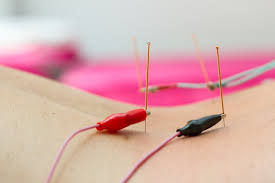
Electro-acupuncture uses the same thin acupuncture needles as standard treatment - inserted at the same points, with the same precision. The difference is that after insertion, small clips attach to pairs of needles and deliver a mild, carefully controlled electrical current between them. The current is adjustable in both frequency and intensity. Most patients feel a gentle pulsing or tingling sensation at the needle site. It is not uncomfortable - the current level stays well below any pain threshold, and Tom adjusts it throughout the session based on patient feedback.
The practice has been used in Chinese medicine for decades and has accumulated a substantial body of research supporting its mechanisms and clinical applications. It is now one of the most studied forms of acupuncture in Western pain research literature.
How Electro-Acupuncture Works - The Mechanisms
Frequency-Dependent Opioid Release
One of the most well-established mechanisms of electro-acupuncture is its ability to stimulate the release of endogenous opioids - the body's own pain-relieving compounds - at the spinal cord and brainstem level. Critically, different electrical frequencies activate different opioid receptor populations. Low frequency stimulation (2–4 Hz) preferentially activates mu and delta opioid receptors and promotes the release of enkephalins and beta-endorphins. High frequency stimulation (80–100 Hz) activates kappa opioid receptors and drives the release of dynorphins. These receptor populations have distinct pain-relieving profiles and different downstream effects on the nervous system - which is why the frequency selection matters clinically and why Tom adjusts it based on the specific pain pattern being treated.
Central Sensitization and Dorsal Horn Modulation
In chronic pain states - including recurrent sciatica, nerve root compression, and long-standing soft tissue injuries - the dorsal horn of the spinal cord undergoes sensitization: it amplifies incoming pain signals and lowers the threshold for pain perception independent of ongoing tissue damage. Electro-acupuncture directly modulates dorsal horn activity through segmental inhibition - applying stimulation at the same spinal level as the pain source activates inhibitory interneurons that dampen the amplified pain signal. This is a fundamentally different mechanism than simply masking pain with analgesics, and it produces changes in pain processing that outlast the treatment session itself.
Local Tissue Effects - Circulation and Inflammation
At the tissue level, electro-acupuncture produces measurable increases in local blood flow and alterations in inflammatory cytokine profiles. The electrical stimulation drives vasodilation in the treated tissue, improving circulation to areas - tendons, ligaments, disc tissue - that have poor intrinsic blood supply. It reduces levels of pro-inflammatory mediators including substance P and CGRP, while increasing anti-inflammatory neuropeptides. For chronic injuries where local circulation has become inadequate to sustain repair, this vascular effect is often what restarts the healing process.
Nervous System Regulation
Like standard acupuncture, electro-acupuncture activates the parasympathetic nervous system - shifting the body from sympathetic dominance into the restorative state where tissue repair occurs. The electrical component amplifies this effect, producing more consistent and measurable autonomic changes than needle stimulation alone. For patients whose chronic pain is maintained in part by a nervous system locked in hypervigilance - which is common in people who have been in pain for months or years - this autonomic reset is a meaningful part of why treatment works.
When Tom Uses Electro-Acupuncture
Not every patient or every session involves electro-acupuncture. Tom makes this decision based on the specific clinical picture - what the injury or pain pattern is, how long it has been present, what the nervous system's current state is, and how the patient responded to standard needling in prior sessions. Electro-acupuncture is generally the right choice when:
Nerve Pain Is Present
Radiating nerve pain - whether from sciatic nerve irritation, cervical or lumbar radiculopathy, or peripheral nerve compression - responds particularly well to electroacupuncture applied along the nerve's pathway. The segmental inhibition mechanism directly targets the spinal level producing the radiating signal, while the opioid release addresses the nerve's sensitization throughout its course.
The Injury Has Been Present for a Long Time
Old injuries, particularly soft tissue injuries that have stalled in recovery, often need more stimulus than standard needling provides to restart the healing process. The fibrotic changes in chronic injury tissue alter the electrical properties of the area, reducing its responsiveness to needle stimulation alone. Electro-acupuncture delivers a more sustained and targeted electrical signal that penetrates these changes and drives the tissue response required for resumed healing.

Muscle Spasm or Deep Tension Is Maintaining the Pain
Sustained muscle spasm - common in spinal pain, hip and shoulder injuries, and post-surgical cases - responds well to electro-acupuncture at the affected motor points. The electrical stimulation drives muscle fatigue through repeated contraction and release cycles, breaking the spasm pattern in a way that manual therapy and standard needling often cannot sustain. This is particularly useful in deep muscles that are difficult to reach manually.
Recovery Support for Active Adults
For active adults using acupuncture to accelerate recovery between training sessions or competitions, electro-acupuncture at low frequency is particularly effective for reducing delayed onset muscle soreness and restoring neuromuscular function. The endorphin release supports recovery mood and sleep quality alongside the direct tissue effects.
What Electro-Acupuncture Feels Like
The most common question is whether it hurts. The honest answer is no, not when it's done correctly. Needle insertion is the same as standard acupuncture: typically unfelt or producing a brief mild sensation. Once the current is applied, patients feel a gentle pulsing, buzzing, or tingling at the needle site. The intensity is always kept at the patient's comfort level - strong enough to produce the therapeutic effect, never uncomfortable. Most patients find the sensation interesting rather than unpleasant, and many find it deeply relaxing as the session progresses and the nervous system shifts into parasympathetic mode.
Sessions with electro-acupuncture typically run the same length as standard acupuncture - 45 to 60 minutes for follow-up visits. The current is usually applied for 20 to 30 minutes of the session, with standard needling used for the remainder.
Common Questions About Electro-Acupuncture
Is electro-acupuncture safe? Are there people who shouldn't have it?
Electro-acupuncture has an excellent safety profile when performed by a trained practitioner. There are specific contraindications: it should not be used over the abdomen or low back during pregnancy, should not cross the midline of the body or be applied near the heart in patients with pacemakers, and should be used cautiously in patients with active epilepsy. Tom screens for all of these contraindications before deciding whether electro-acupuncture is appropriate for a given patient. For the vast majority of people seeking treatment for chronic pain and soft tissue injury, it is safe, well-tolerated, and clinically beneficial. Any questions about your specific health history and whether electro-acupuncture is appropriate can be addressed in the free consultation.
How is electro-acupuncture different from a TENS unit?
TENS - transcutaneous electrical nerve stimulation - applies electrical current to the surface of the skin through adhesive pads. Electro-acupuncture delivers electrical current directly into the tissue through acupuncture needles positioned at specific anatomical points chosen for their therapeutic significance. The depth of penetration, the precision of placement, and the clinical decision-making behind point selection make the mechanisms and outcomes meaningfully different. TENS is broadly analgesic through gate control mechanisms at the skin level. Electro-acupuncture reaches deeper tissue structures, activates segmental spinal inhibition, drives endogenous opioid release, and produces the full range of autonomic and inflammatory effects described above. They are related tools, but not equivalent ones.
Questions About Whether Electro-Acupuncture Is Right for You?
A free consultation is the best way to find out. Tom will review your pain pattern, your history, and what prior treatment has and hasn't accomplished - and give you a clear picture of whether electro-acupuncture, standard acupuncture, Tui Na, or some combination is the right approach for your specific situation. Learn more about chronic pain treatment at Whispering Waters or call and text (828) 773-5032. Located at Peak Chiropractic, 136 Furman Road, Boone, NC 28607.


Comments